
Payments - August 25, 2026
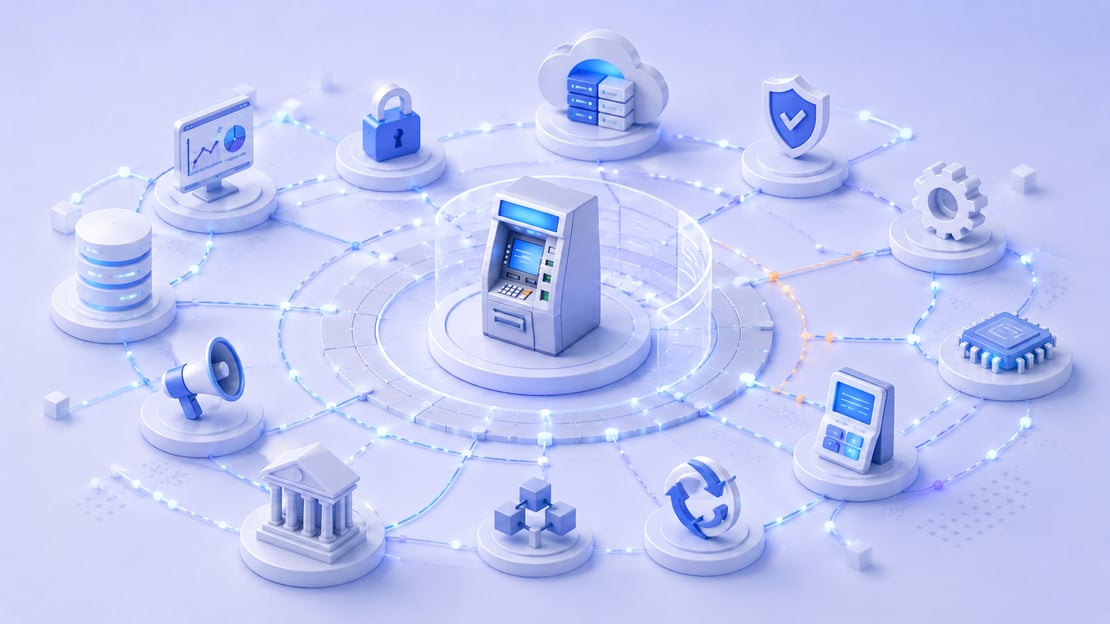
ATM compliance is no longer a series of isolated updates; this business-critical activity has evolved into a continuous cycle of change across an increasingly complex ecosystem
While regulatory changes and card scheme mandates often take center stage, they represent only a portion of the never-ending change that ATM teams must manage today. At any given time, self-service channel owners are navigating:
- Security patches and compliance-driven enhancements
- Fraud monitoring alerts and rule changes
- ATM software and operating system upgrades
- Processor, host, and switch updates and integrations
- Hardware refreshes and device-level configuration changes
- New marketing programs, screen flows, and customer messaging
Each of these changes introduces risk. When multiple updates occur simultaneously, as is typically the case today, the challenge shifts from managing individual updates to validating how they interact across the entire ATM channel experience.
The challenge for most organizations isn’t just about keeping up with all these changes, it is ensuring they all work together seamlessly.
Dealing With Overlapping Change Across the ATM Estate
Modern ATM estates are dynamic environments where change is constant and complex.
A seemingly simple update, such as a fraud rule adjustment or marketing screen change, can unintentionally impact transaction flows, customer journeys, or compliance requirements when combined with:
- Security patches
- Network mandates
- Device-specific configurations
- Software version changes
Without a comprehensive testing strategy, these interactions can create:
- Inconsistent transaction execution across the estate
- Unexpected declines or workflow disruptions
- Exceptions triggered by misaligned configurations
- Delayed certifications and deployment timelines
The issue isn’t just technical; it’s operational. ATM testers often struggle to consistently validate that every change works correctly on its own, as well as in concert with everything else happening across the channel.
Why Traditional Testing Falls Short
Traditional approaches to ATM testing, e.g., manual, sequential, and hardware-dependent, were never intended to handle the current level of complexity.
These models struggle to keep pace because they:
- Test updates in isolation rather than in combination
- Depend on the limited physical ATM availability
- Lack clean, correct, and complete test data
- Introduce (human) variability that leads to errors and omissions
- Provide limited access to testing environments across teams & regions
As a result, organizations often discover issues late in the development process, e.g., during certification, pilot roll-outs, or even in production, when the costs and risks associated with defect resolution are significantly higher.
A More Strategic Approach to ATM Testing
To keep up with this frantic pace of change, ATM teams are adopting a more strategic, scalable approach to testing, one that emphasizes:
- Automation to accelerate validation cycles
- Accuracy with clean, controlled test data
- Consistency across environments and test scenarios
- Accessibility for distributed teams working across regions and time zones
- Virtualization to remove constraints on ATM lab hardware and availability
This shift enables teams to move from reactive issue detection to proactive validation.
The Role Virtualization Plays in Managing Complexity
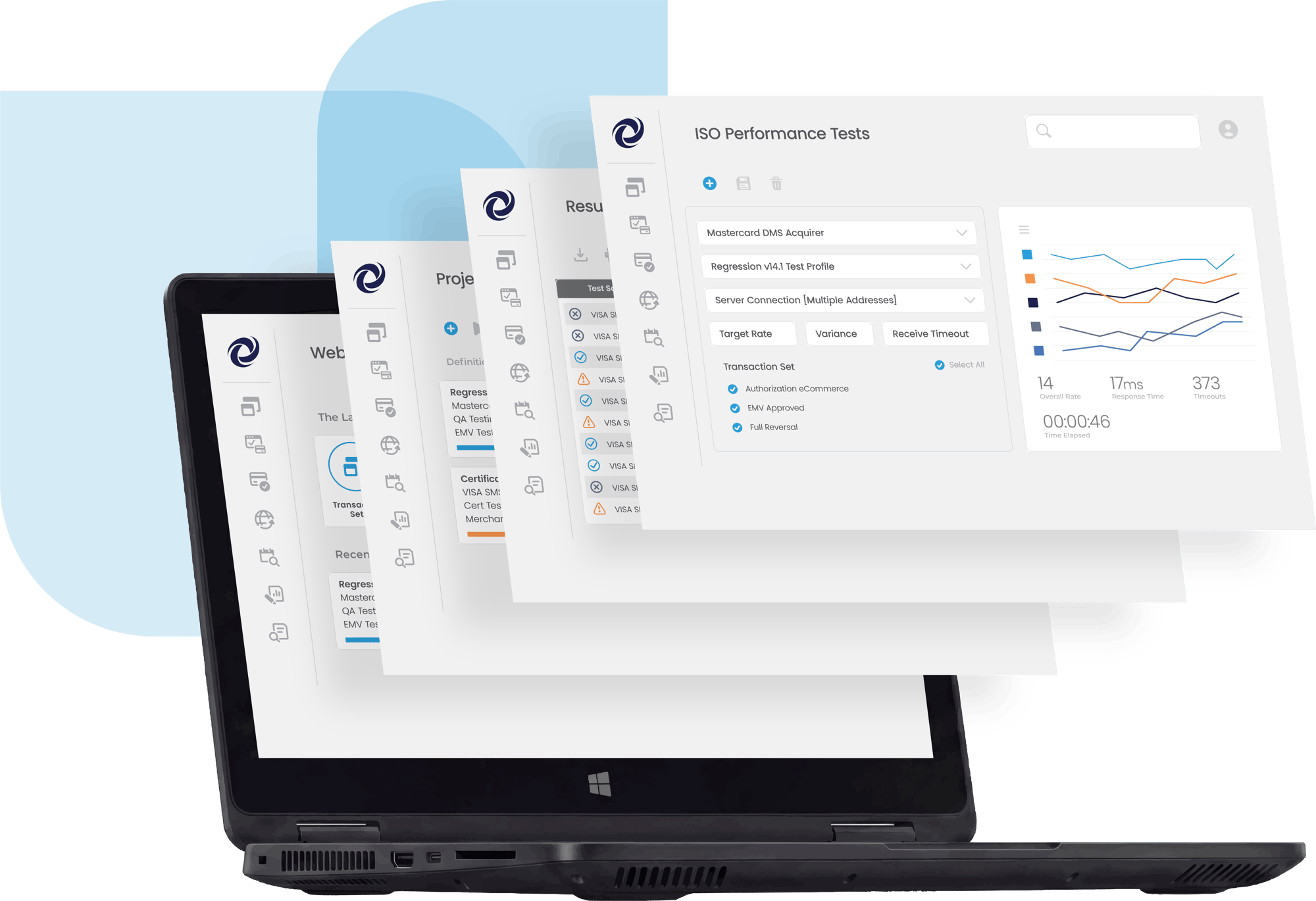
A virtualized testing environment, such as Paragon’s VirtualATM platform, provides a centralized and scalable solution that can more quickly and easily simulate real-world ATM channel activity without reliance on geography, time zones, or physical ATM hardware.
More importantly, virtualization enables teams to more comprehensively validate the full spectrum of change happening across their ATM estate, including:
- Legal and regulatory mandates
- Software upgrades and configuration changes
- Change driven by processor, host, and switch updates
- Fraud workflows and exception handling
- Marketing screen flows and customer experience updates
In a virtualized test environment, teams can:
- Replicate complete end-to-end transaction lifecycles with precision
- Test multiple updates simultaneously using consistent, repeatable scenarios
- Identify and address defects and dependencies early in the development process
- Ensure consistent behavior across ATM models, regions, and configurations
- Conduct testing 24x7 without dependencies on physical labs or devices
By combining simulation with automation, accessibility, and accuracy, VirtualATM enables a level of testing rigor and scale that traditional methods simply cannot match.
Confidence in Every Change
As the ATM channel continues to evolve and grow ever more complex, the ability to test changes in isolation is simply not good enough. ATM deployers need a modern testing strategy that reflects the reality of their estate – it is a dynamic environment where compliance updates, security patches, fraud alerts, software changes, and customer experience enhancements are all happening at once.
Paragon’s VirtualATM platform provides the foundation for that strategy, enabling teams to test with greater quality, consistency, and control, while scaling operations to more easily address the full spectrum of change impacting their ATM network.
Issues are identified earlier. Deployments become more predictable. Compliance timelines are met with fewer surprises. And teams are freed from repetitive manual testing to focus on higher-value initiatives.
Ultimately, the ability to manage overlapping updates, mandates, and new states is no longer just about compliance; it is about maintaining a stable, secure, and seamless ATM experience for your customers.
Proven testing builds trusted outcomes.

FAQs
What is the best approach to ATM testing for compliance and modernization?
ATM testing has become more complex because the entire payment ecosystem has become more complex. In addition to ATM hardware and software updates, deployers must also respond to an evolving legal and regulatory environment, network mandates, security patches, fraud alerts, and consumer-driven enhancement requests.
What are the risks of testing ATM updates separately instead of together?
Testing ATM updates in isolation can miss critical interactions between various applications, networks, and systems. This can lead to transaction errors, inconsistent customer experiences, compliance failures, and deployment delays.
How does automation improve ATM testing efficiency and accuracy?
ATM testing automation improves efficiency by accelerating test execution times and eliminating repetitive manual processes. It also enhances accuracy by enabling consistent, repeatable test scenarios across ATM models, configurations, and environments. This reduces false failures and allows teams to identify real issues earlier in the testing cycle.
Why is clean test data important for ATM compliance testing?
Clean test data is essential for reliable ATM compliance testing because it helps ensure consistent and accurate results. Without clean, controlled data sets, teams may experience inaccurate and inconsistent test outcomes. High-quality test data enables more confident deployment decisions.
Why is ATM testing becoming more complex in modern ATM environments
The most effective ATM testing approach combines automation, clean test data, and virtual environments to validate complex, real-world scenarios. This modern strategy allows organizations to test continuously, reduce operational risk, and ensure compliance, while maintaining a consistent customer experience.
Free Guide to Payment Testing
Read our free guide to explore a number of key concepts, issues and challenges specifically related to payment testing.