
Payments - August 25, 2026

Trust has always been a critical factor in B2B technology purchasing.
But in today's market, where AI, automation, cloud, and digital transformation dominate nearly every conversation, trust, expertise, responsiveness, and providing long-term value separate true technology partners from everyday vendors.
Buyers are exposed to an endless stream of marketing messages, bold product claims, and promises of transformational results. The challenge isn't finding vendors making big claims—it's determining which ones can actually deliver.
Buyers Want Evidence, Not Buzzwords
According to IDC, one of the biggest reasons buyers lose confidence in vendors is the lack of transparency.
The research found that buyers are particularly skeptical because of:
- Lack of transparency (45%)
- No measurable outcomes (44%)
- Product-focused messaging instead of service value (43%)
- Inconsistent support across channels (62%)
- Overuse of industry buzzwords (29%)
These findings reflect a broader trend across enterprise technology.
Organizations are no longer impressed by generic promises of innovation. They want to understand exactly how a solution will solve their business challenges—and they expect vendors to prove it.
The Shift from Features to Outcomes
Technical capabilities still matter. But buyers increasingly evaluate technology based on the business outcomes it enables rather than the product feature list.
IDC found that 44% of buyers trust vendors who demonstrate measurable business results and ROI, not simply technical functionality.
That means conversations are shifting away from:
"Our platform includes AI."
Toward:
"Here's how our solution reduced deployment risk, improved operational efficiency, or accelerated delivery for organizations like yours."
For technology vendors, that represents an important mindset change.
Success isn't measured by how many capabilities a product has, rather it is measured by the value customers achieve after the product has been implemented.
Proof Builds Confidence
Perhaps the strongest message from IDC's research is that today's technology buyers actively seek validation before making purchasing decisions.
Among the factors that build trust are:
- Customer references and real-world success stories
- Product demonstrations and proof-of-concept engagements
- Technical validation and benchmarks
- Transparent pricing and delivery expectations
- Hands-on product trials
- Strong security, compliance, and governance credentials
In other words, buyers want to verify claims for themselves. Marketing messages may open the conversation, but evidence helps to seal the deal.
Transparency Has Become a Competitive Advantage
Transparency is no longer simply about providing good customer service, it has become a real competitive differentiator.
IDC reports that 45% of buyers expect ongoing communication around delivery, pricing, and support, while 55% are more likely to consider vendors with deep technical expertise and proven industry knowledge.
And that transparency extends beyond the sales process. Customers increasingly expect vendors to communicate openly throughout implementation, onboarding, ongoing support, and future product development.
Organizations that consistently deliver on expectations build something competitors can't easily replicate: long-term trust.
What This Means for Technology Providers
For companies developing enterprise solutions, trust is no longer created through marketing. It is built through consistent execution, reliable products, transparent communication, proven expertise, and measurable results.
This is particularly true in highly regulated industries like payments, financial services, and enterprise technology, where performance, reliability, and security are often just as important as innovation itself.
Customers don't simply want to hear that a platform is reliable.
They want evidence that every release has been thoroughly tested, every integration carefully validated, and every deployment supported by a robust quality assurance process.
Trust Is Earned And Long-term Relationships Still Matter
IDC's research reinforces a simple but important reality:
Today's buyers don't expect perfection. They expect honesty, transparency, and proof.
The organizations that earn customer trust won't necessarily be those with the loudest marketing campaigns or the most fashionable technology buzzwords.
They'll be the ones who consistently demonstrate expertise, communicate openly, and back every promise with measurable results.
Because in enterprise technology, trust isn't built on what you say.
It's built on what you deliver.

FAQs
Why are B2B buyers becoming more skeptical of vendor claims?
IDC research shows buyers are increasingly skeptical because of a lack of transparency, inconsistent support, unclear business outcomes, and the overuse of marketing buzzwords.
What builds trust with enterprise technology buyers?
According to IDC, buyers value measurable business outcomes, customer references, proof-of-concept demonstrations, transparent communication, strong security credentials, and technical expertise.
Why are measurable outcomes more important than product features?
Enterprise buyers want to understand how a solution will improve their business, reduce risk, or deliver ROI rather than simply learning about its technical capabilities.
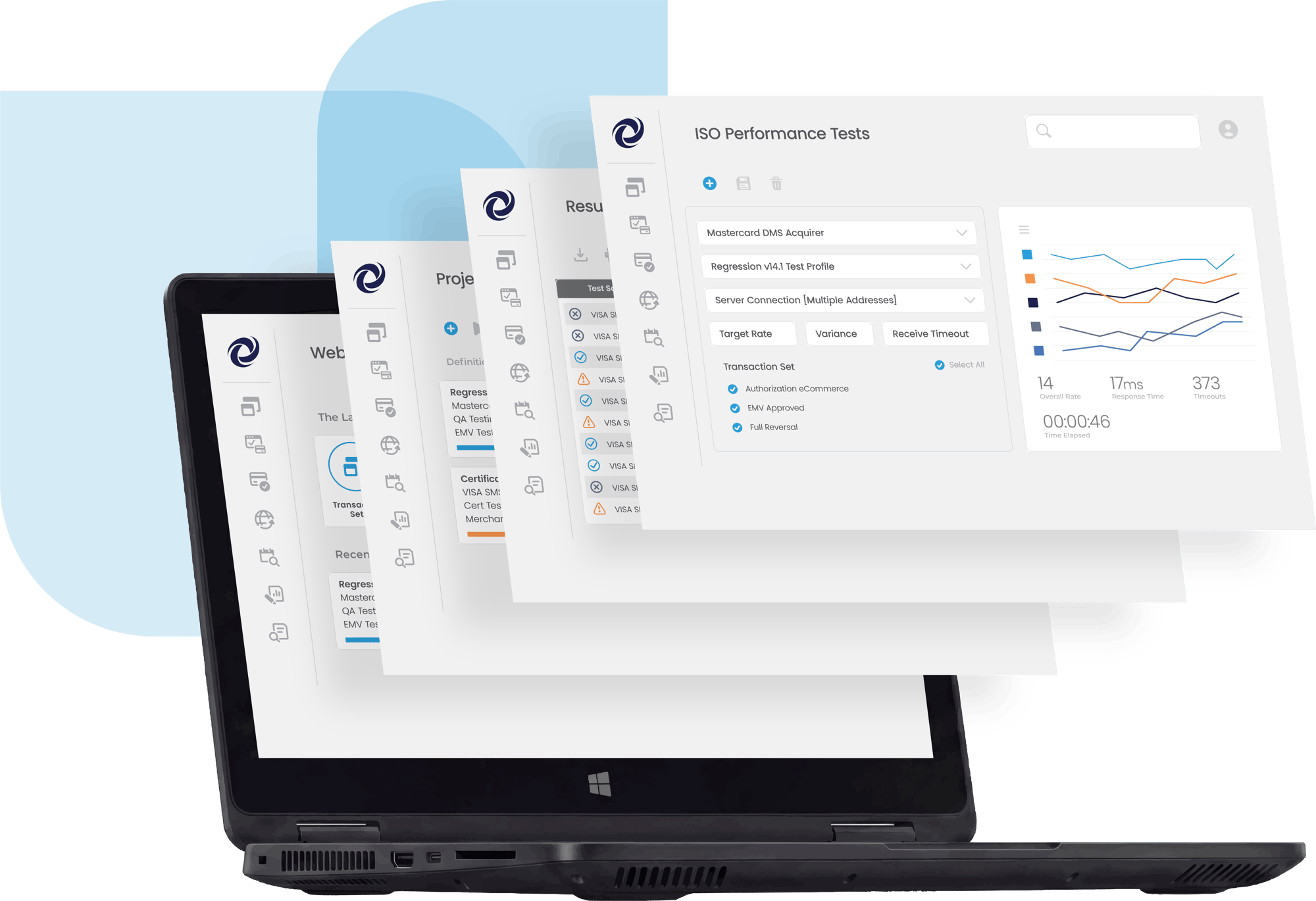
Free Guide to Payment Testing
Read our free guide to explore a number of key concepts, issues and challenges specifically related to payment testing.