
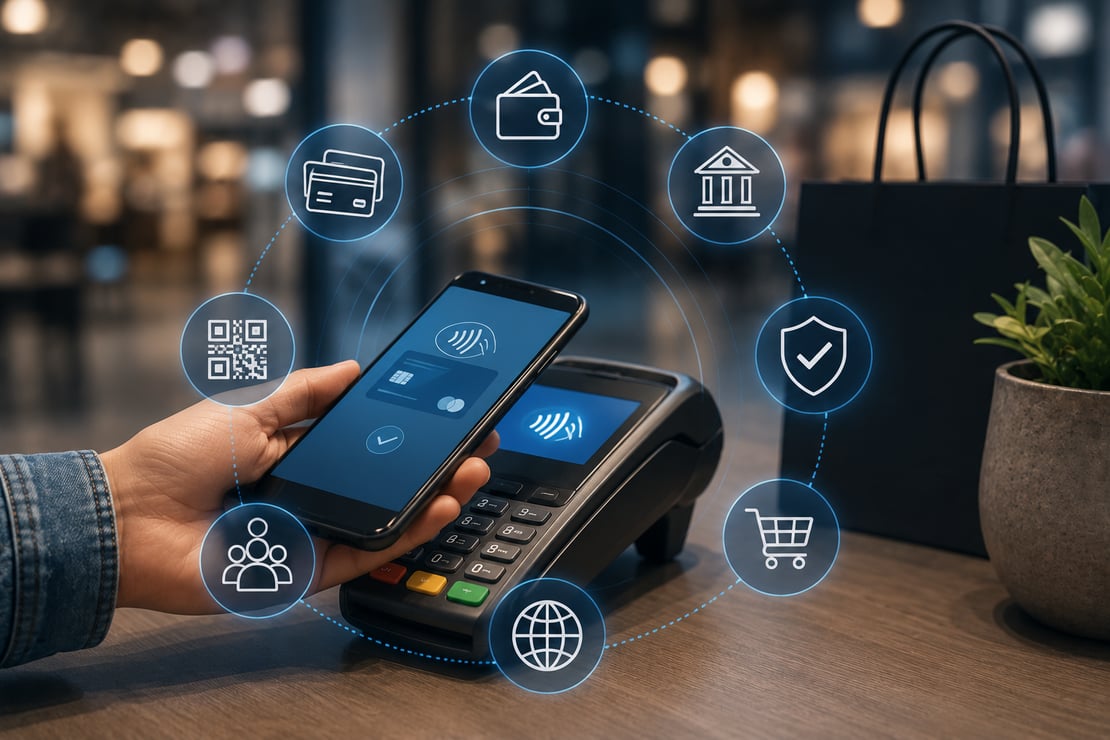
The payments industry spent much of 2025 talking about innovation, AI-powered personalization, instant payments, embedded finance, and invisible checkout experiences. But beneath the surface of technological progress, one theme consistently shaped consumer behavior: choice.
In 2025, consumers didn’t rally behind a single “winning” payment method or channel. Instead, they gravitated toward ecosystems that offered flexibility, reliability, and convenience, allowing them to choose how, when, and where they transacted. From mobile wallets in urban centers to cash withdrawals in emerging markets, consumer preference was less about novelty and more about confidence in the experience.
For banks, payment processors, and technology providers, understanding these preferences is critical, not just to keep pace with expectations, but to design, build, and test payment systems that work seamlessly, securely, and consistently across channels and geographies.
Key Takeaways
- Payment preferences in 2025 were driven by convenience and confidence, not novelty.
- Consumers favor dependable, easy-to-use experiences over single-channel innovation.
- Fast, clear, and consistent interactions built trust.
- Complex or unreliable payment journeys quickly eroded confidence.
- Accessibility and inclusion became baseline expectations, not differentiators.
- Personalization only mattered when it simplified the experience.
- Top performing organizations paired consumer-first design with disciplined testing and operational rigor.
Choice Became the Ultimate Currency
One of the clearest signals from 2025 was that consumers resist being boxed into a single payment experience. While digital payments continued to grow rapidly, cash, cards, self-service terminals, and online banking all remained firmly in use.
Consumers want the freedom to:
- Tap a phone for speed and convenience
- Use a card when trust and familiarity matter
- Access cash when digital payments aren’t practical or reliable
Rather than abandoning older methods, consumers treated them as options in a broader payment toolkit. Financial institutions that supported multiple channels, without friction between them, earned higher trust and engagement.
Experience Matters More Than the Channel
In 2025, consumers judged payment experiences less by how they paid and more by how it felt. Slow response times, confusing screens, failed transactions, or inconsistent branding quickly eroded confidence, regardless of whether the transaction happened on a mobile app or an ATM.
What consumers consistently said they prefer is:
- Speed: Transactions that completed quickly and predictably
- Clarity: Clear prompts, confirmations, and error handling
- Consistency: Familiar flows across devices and locations
Even in legacy environments like traditional ATMs, users expected modern technology, intuitive navigation, multilingual support, accessibility features, and reliable uptime. The expectation gap between “digital” and “physical” channels continued to narrow.
Trust and Reliability at Center Stage
With rampant fraud, widespread system outages, and multiple data breaches making headlines throughout the year, trust emerged as a defining factor in consumer preference. In 2025, consumers showed little patience for unreliable payment experiences, even if the technology behind them was innovative.
Reliability has come to mean:
- Transactions that are working the first time, every time
- Clear recovery paths when something does go wrong
- Familiar interfaces that reinforced security
This preference reinforces the importance of thorough testing and configuration management. Payment products that were carefully test and validated to ensure seamless operation consistently delivered better customer experiences than those rushed to market.
Accessibility and Inclusion Are Non-Negotiable
Another major shift in 2025 was heightened awareness of accessibility and inclusion. Consumers expected payment experiences to work for everyone, not just the digitally fluent.
Savvy shoppers increasingly favor systems that support:
- Multilingual interfaces
- Audio guidance and high-contrast screens
- Simple, predictable transaction flows
In many regions, especially emerging markets, ATMs and self-service devices remain essential for financial participation. Consumers valued systems that respect local needs and constraints, rather than forcing one-size-fits-all digital solutions.
Personalization, OK, But Only When it Helps
Personalization continued to grow in importance, but consumers in 2025 made their boundaries clear. They appreciated:
- Relevant language selection
- Context-aware prompts
- Familiar transaction shortcuts
What they don’t want is complexity masquerading as innovation. Overly dynamic interfaces or inconsistent process flows create confusion rather than delight. The winning approach balances personalization with predictability, ensuring users always know what to expect.
What This Means for Payment Providers
The takeaway from 2025 is clear: consumers don’t choose technologies, they choose experiences. And those experiences are shaped long before a customer ever taps a screen or inserts a card.
Behind the scenes, success depends on:
- Accurate configuration of payment flows
- Rigorous testing across scenarios and channels
- Consistent branding and messaging
- Reliable deployment processes that minimize downtime
This is where the right tools and expertise matter. Mission-critical payment processing operations, especially those blending modern innovation with legacy infrastructure, require disciplined design, testing, and validation to meet rising expectations.
Paragon’s Perspective
At Paragon, we’ve long understood that consumer preference is shaped by what works, not just what is new and shiny. Whether supporting traditional ATM architectures, modern payment testing environments, or hybrid systems that bridge the two, our focus is on enabling choice without compromise.
In 2025, the institutions that thrived were those that recognized and respected consumer diversity, behavior, and preference, then built (and tested) robust, reliable, and resilient payment systems to meet these needs.
Looking Ahead
As the payment industry continues to evolve, one lesson from 2025 stands out: the future of payments isn’t about replacing old channels with new ones. It’s about orchestrating them together into experiences that feel simple, reliable, and human.
Consumers speak through their choices. The challenge now is for payment providers to listen, than the right mix of products and services to meet these requirements. 

FAQs
1. Did consumers prefer digital payments over cash in 2025?
Not exclusively. While digital payments continued to grow, consumers valued having multiple options, including cash, cards, mobile wallets, and self-service devices, depending on context and reliability.
2. What mattered more to consumers: innovation or reliability?
Reliability. Consumers consistently preferred payment experiences that worked the first time, felt familiar, and handled errors clearly, even over newer, more innovative technologies.
3. Why did accessibility become such a major factor?
As payment systems expanded globally, consumers expected experiences that worked for everyone. Features like multilingual interfaces, accessibility support, and simple flows became essential for trust and inclusion.
4. How should payment providers respond to these preferences?
By recognizing the importance of designing, delivering, and testing robust, reliable, and resilient payment systems that support consumer choice and convenience across multiple delivery channels.
A Guide to ATM Testing

Related posts
There are no related posts