
ATM Testing - April 28, 2026
Reconnecting Across the ATM Ecosystem
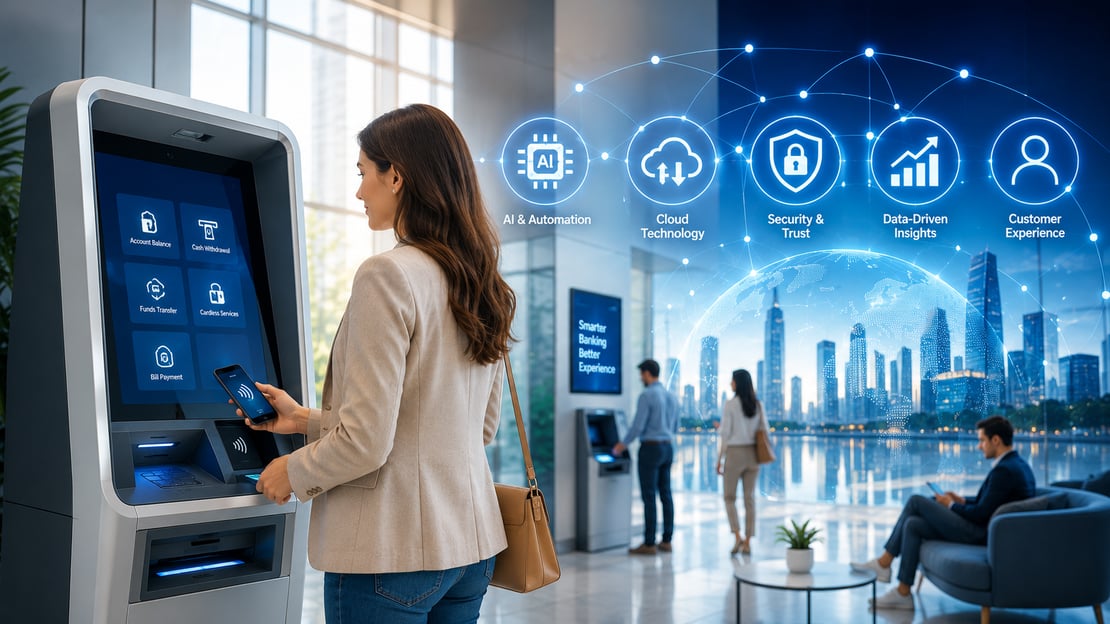
Attending the recent ATMIA 2026 event in Arlington, Texas was a great opportunity to reconnect with colleagues across the ATM ecosystem and hear firsthand how financial institutions, vendors, and service providers are thinking about the future of self-service banking. The event brought together a wide range of perspectives, from ATM operators and credit unions to banks to technology vendors and security experts. It was clear from the outset that the industry is not only adapting to change but actively redefining its role in an increasingly digital financial landscape.
The Growing Role of Strategic Outsourcing
One of the themes that stood out early in the conference was the growing role of strategic outsourcing in ATM operations. During a workshop focused specifically on this topic, panelists discussed how banks are increasingly partnering with managed service providers and independent ATM deployers to improve efficiency, maintain compliance, and elevate the customer experience. The conversation reinforced how critical operational excellence has become in maintaining a reliable self-service channel, particularly as ATM fleets grow larger and more complex. Outsourcing is no longer just a cost-saving measure, but a strategic lever for scalability and innovation.
Cash Cycle Orchestration and Ecosystem Collaboration
Another interesting topic of conversation was cash cycle orchestration, which focuses on improving coordination between banks, cash logistics providers, and technology vendors. By integrating forecasting, data analytics, and supply-chain visibility, organizations can significantly reduce inefficiencies in the movement and management of cash. The discussion underscored how collaboration across the ecosystem is key to maintaining the resilience of cash infrastructure. As cash usage patterns shift, smarter orchestration is becoming essential to balance cost, availability, and demand.
The Rise of the “Super ATM”
The concept of the “Super ATM” also appeared repeatedly across sessions. Many speakers described how ATMs are evolving from simple cash dispensers into multifunctional self-service financial services hubs capable of supporting deposits, payments, digital services, and integration with broader banking platforms. Innovations in software, cloud hosting, and open banking are enabling ATMs to become more flexible, intelligent, and connected within the overall financial services environment. This evolution positions the ATM as a key touchpoint in the omnichannel banking experience rather than a standalone device.
Security in an Increasingly Connected Environment
ATM security was also a recurring theme throughout the event. Industry experts discussed how financial institutions must take a multi-layered approach to protecting their ATM fleets, combining physical protections, cybersecurity practices, and proactive monitoring tools to address threats such as jackpotting, skimming, and coordinated cyberattacks. As ATM networks become more connected and software-driven, the importance of proactive security practices has never been greater. The shift toward software-defined infrastructure is expanding the attack surface, making constant vigilance essential.
The Importance of Testing and Validation
Another discussion thread that naturally connected much of the other dialogue was the growing importance of ATM testing and validation. As banks introduce new software releases, security updates, and hardware upgrades, ensuring that systems behave correctly before deployment has become critical. Several conversations throughout the conference highlighted the operational strain many institutions face when relying solely on limited physical ATM labs to perform regression testing or validate changes. This challenge is becoming more pronounced as release cycles accelerate and systems grow more complex.
Virtualization: A Game Changer for ATM Testing
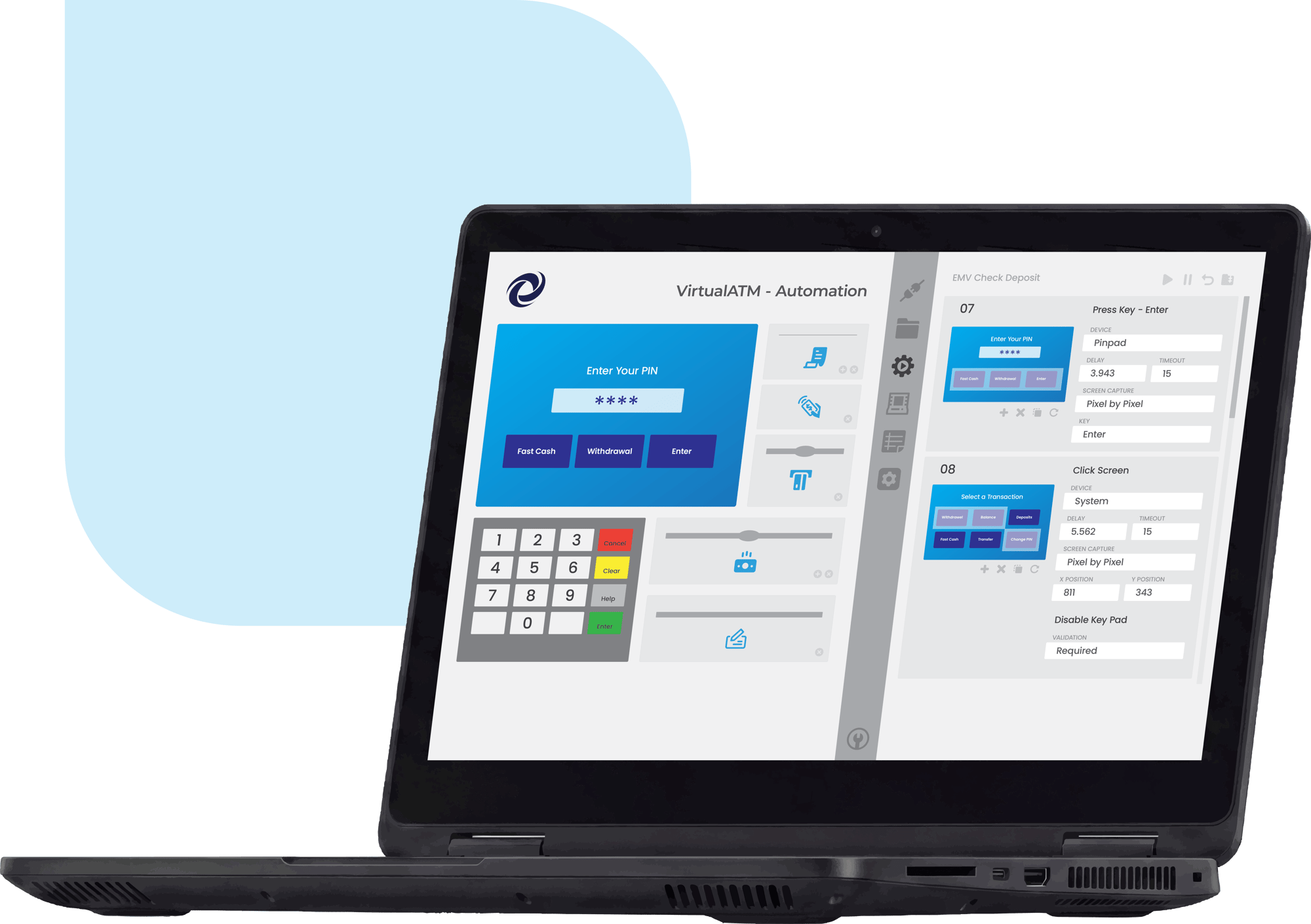
This is where virtualization is beginning to play a larger role in the industry. By virtualizing ATM software environments, financial institutions can test their exact software stack, complete with simulated hardware devices and transaction flows, without needing a physical machine for every test scenario. This approach allows teams to run automated regression testing, simulate error conditions, and validate upgrades more quickly, while at the same timeminimizing or removing many the traditional bottlenecks associated with ATM test labs. Ultimately, virtualization is enabling faster innovation cycles while reducing operational risk.
Cash as a Critical Component of Financial Resilience
One particularly compelling session explored the critical role of cash during crises, reminding attendees that despite rapid digital transformation, cash remains an essential component of financial resilience. In situations where digital systems fail due to cyberattacks, infrastructure outages, or natural disasters, ATMs and physical currency remain vital to maintaining access to funds. This perspective reinforced the continued relevance of cash as a safeguard in uncertain scenarios.
The Value of Industry Networking
Beyond the sessions themselves, ATMIA continues to provide one of the best environments for networking across the industry. Conversations in the exhibit hall and networking receptions often sparked just as many insights as the formal presentations. Hearing directly from ATM operators, banks, and technology providers about the challenges they are facing helps bring the industry’s trends into sharper focus. These informal exchanges often reveal the practical realities behind the strategies discussed on stage.
Innovation and Resilience in the ATM Industry
Overall, ATMIA 2026 reinforced that while the ATM industry faces new challenges, from declining cash usage in some markets to increasing security threats, it is also entering an exciting period of innovation. From smarter software and AI-driven operations to new service models and improved collaboration across the cash ecosystem, the ATM remains a critical and evolving part of the financial services landscape. The pace of change suggests that organizations ready, willing, and able to adapt will find significant opportunities ahead.
I’m already looking forward to seeing how these conversations continue to shape the future of self-service banking. ATMIA remains a key forum for driving these discussions forward and turning ideas into actionable strategies.

A Guide to ATM Testing
In this guide, we explore a number of issues and challenges associated with the continued reliance on manual ATM testing and provide information and advice on how to use virtualization technology to automate and streamline the ATM testing process.